10 key points to consider when contracting a digitally printed packaging manufacturer
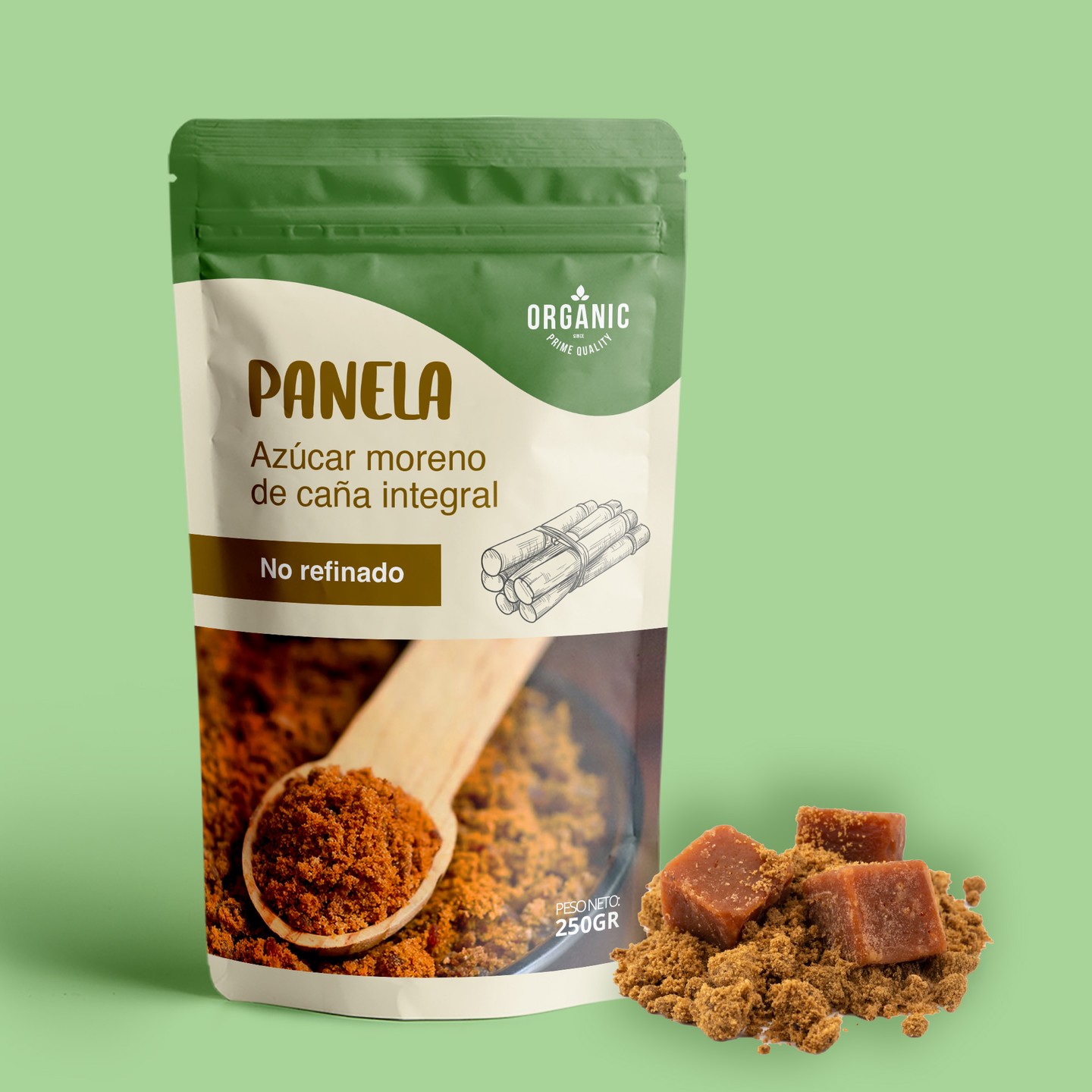
Consider your packaging supplier as an extension of your own business
• Research, find information, link
You must be a priority for your provider
• Find out what processes your supplier carries out within their company, their certifications, and the quality and safety they offer you.
Find out their customer profile (large corporations, multinationals, or small and medium-sized enterprises).
And, most importantly, how long will it take to produce and deliver your order
These would be the key questions:
What products and services does your supplier offer you?
You must be sure, before hiring a supplier, whether they will meet all your needs and requirements. Above all, whether they can offer you the diversity of products you need. Make a list of the services and advantages they offer you, the products they can create for you, and the solutions they provide. Think of everything: from the packaging's shape, to the materials (films, structures), minimum and maximum size, range of colours to print, etc.
Although you will find more questions to follow, having a general idea of your provider's capabilities is a good way to start the conversation.
2. What is the usual delivery time?
It might seem like an obvious question, but delivery times can vary between 10 days and 6-12 weeks, depending on the company. Knowing the standard delivery time will allow you to determine how long it will take to receive your order, whether it's a new design or a repeat.
A very important factor to take into account:
Unlike traditional printing, DIGITAL PRINTING allows for “on-demand” printing and last-minute changes. Have you added a new ingredient to your product? Have you received a new certification? Have you changed the logo design? If your supplier is a company that uses digital printing, they will always be able to apply these changes at the last minute, and you won't have to worry about the extra costs of plates or pre-press, meaning you won't have obsolete or useless stock either. Furthermore, with digital printing, the delivery time will be significantly shortened. Companies like ours can send orders to the customer within 15 days, once the design has been approved.
What are your minimum orders?
Ideally, companies should have small minimum order quantities, something especially important for an SME, which cannot afford to have a lot of money tied up in inventory. It has been quite some time since ordering large quantities ceased to be the only option. When you find the right partner, this issue will be resolved. Always ask about minimum order requirements and assess if they meet your needs.
In many cases, suppliers offer minimums that are far higher than your needs. Knowing the minimum order quantities is a determining factor, especially if you're looking for a company that offers you exactly what you need, no more and no less.
Most SMEs we work with cannot afford to have a lot of money tied up in inventory, so small minimum order quantities are essential. Furthermore, they allow for much faster delivery times.
A good supplier will be able to arrange shorter delivery times with you, in reasonable quantities.
4. What types of suppliers are you accustomed to working with?
You must ensure your supplier has extensive experience in your market and sector. Ask them to mention other brands similar to yours that they collaborate with, as an example to verify they are active in your sector. Request samples of other work they have done for clients: a trustworthy supplier will readily show you the work they do for other companies. It is also very important that the supplier has experience in different markets. This way, they will have more information and experience regarding packaging format and function. You will have access to a broader knowledge base, and it will also help you expand into other markets.
5. How does your customer service work?
Product quality is a given. However, it is essential to find a company that offers excellent customer service. With this question, you can confirm if your supplier is interested in a future collaboration and, at the same time, that your request is not just another job. You should work with a supplier who advises and guides you throughout your order process and who is interested in establishing a lasting and reliable relationship with you.
6. What type of films do you use?
It is essential that your supplier provides you with the optimal material for your product. They must have high-quality films that preserve the integrity of the product they contain. Confirm whether your supplier certifies that their films are suitable for contact with foodstuffs, that they do not let light through, that they offer a barrier to oxygen and other gases, etc. Ask if they can offer you superior quality films such as PET, metallised PET, PE or BOPP. If they have barrier, laminated, and recyclable films. And, finally, if they recommend a particular material structure based on the product you are packaging. Opting for a company that is able to guide you, especially when it comes to a new product, is a huge advantage.
Do you use traditional or digital printing methods?
This issue has likely arisen before, but it's important to consider. In the whirl of our daily lives, digital printing has many advantages. It's faster and more efficient, as it avoids many of the steps required in conventional printing processes. The quality of true high-definition graphics is superior to traditional printing methods and allows for matching or even exceeding the quality of existing prints. Variable graphics and data allow for more creative and engaging packaging customisation than traditional printing methods.
Although traditional printing remains an option, knowing all the advantages of this type of printing will be very useful when looking for a new supplier.
8. What size of companies do you typically work with?
This is a very relevant question. Especially if you wish to place orders both short and long term. Confirm that your supplier knows how to deal with companies of your size and that they are not solely interested in big brands. Ask them to identify some of the clients they already work with, so you can check the profile of the clients they already supply.
9. Do they deliver your order directly or do you have to collect it?
Saving time means saving money. To save time, look for a supplier who knows how to manage the different types of transport correctly, so that the order arrives in the shortest possible time and you don't have to pick it up and waste time.
10. What special features can they offer you?
If you want your packaging to stand out at the point of sale, ask about the different options offered by your supplier. Some questions that may help you in this regard are:
• Do you offer transparent packaging or the possibility of adding a window to the packaging?
• What kind of hanging dies do you have?
• What type of bags do you offer? Stand-up pouches? Flat pouches?
• How can I ensure the colours will be like my corporate colours?
• Do you offer puncture-resistant films? How many microns are they?
• What look and feel can the film provide? Matte finishes? Soft-touch finishes? Glosses? Metallic finishes?
Next steps
Once you have met with all the FLEXIBLE PACKAGING COMPANIES and asked them these questions (which are expert-level), it is time to make your decision.
If you still have doubts, or if you're already clear, request a quote. You will speak with customer service and the budget will become another factor to consider in the decision-making process.
We know that hiring a new supplier is an experience that is both exciting and complicated in equal measure. Finding the right supplier for your business is FUNDAMENTAL and is another piece in the overall growth of your business.
To be successful, it's important to have a supplier capable of delivering quality products, on time and to your specifications.
If you want to put this list of questions into practice, CONTACT US TODAY. We will be pleased to offer you our help.
